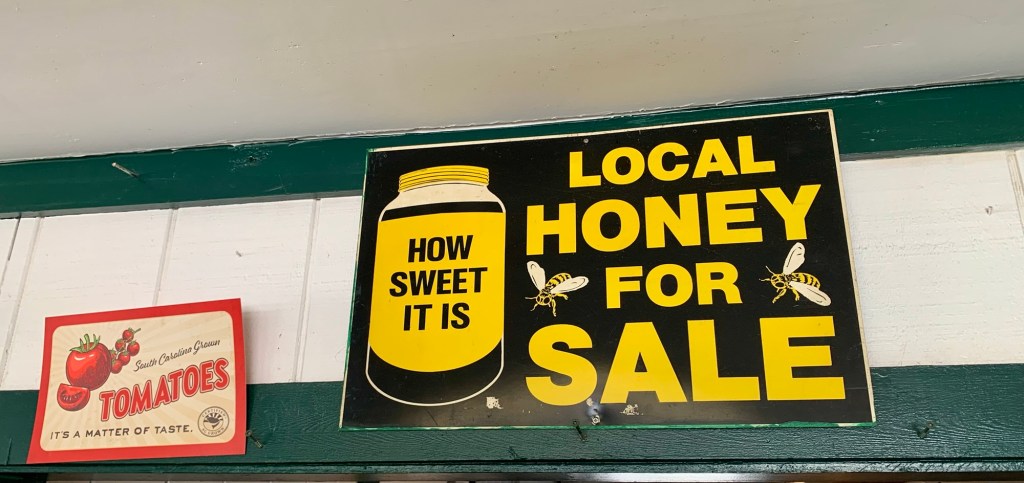
Hey honey lovers! If you enjoy digging into that gooey golden goodness from North or South Carolina, here’s the lowdown on what makes local honey a buzz-worthy addition to your diet.
Discover the Unique Flavors of Carolina Honey
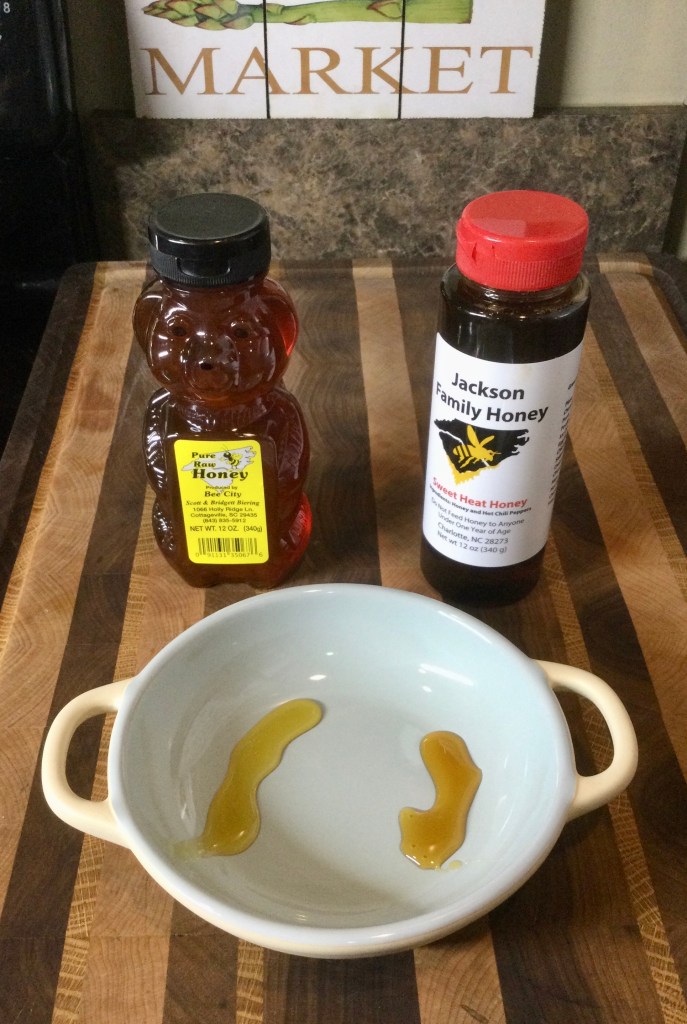
What’s in the jar?
Local honey is nature’s nectar, with just a few main ingredients. It’s delicious and good for us for various reasons:
- Natural sugars like fructose and glucose (about 17g per tablespoon), give you quick energy. A tablespoon before a workout boosts energy without the crash. It offers a low glycemic index making honey a better alternative sweetener than refined sugars. This makes it a better choice for borderline diabetics and people living with diabetes.
- Antioxidants that help fight free radicals, depending on the source wildflowers such as clover, tupelo, or sourwood.
- Pollen content (especially raw honey), which may help with seasonal allergies if you live near the area it was produced in.
- Raw honey has oliosaccharides which act as natural prebiotics that nourish gut bacteria to support digestion. It also helps stimulate melatonin production which promotes better sleep quality.
- Liver support; beeswax alcohols may improve liver function and reduce symptoms of liver disease.
- Natural humectant helps retain moisture, coat and sooth soar throats, and act as a cough suppressant.This is why it’s used in natural cough syrups and some hair products.
- Vitamins B6, B12, C, A, D, and E. Also contains trace minerals calcium, magnesium, iron, and zinc.
Popular local honey flavors are Sourwood and clover flower. Sourwood honey is primarily produced in the Appalachian Mountains of western North Carolina, eastern Tennessee, and northern Georgia. It comes from the Sourwood tree which blooms in early summer with beautiful and fragrant white flowers. This honey has a light golden amber color with a buttery flavor profile similar to caramel, reminiscent of gingerbread and a fragrance similar to cinnamon and cloves.
Clover honey can be found throughout the United States and is produced and common in the Carolina’s. This honey is known for its light, golden color and subtle, not overly sweet taste. It often has hints of cinnamon and nutmeg. Due to its mild flavor, clover honey pairs well with hot tea, biscuits, French toast, waffles, and root vegetables.
Allergy alert! Some people may be allergic to honey. Babies under 12 months old should avoid raw honey because of a risk of botulism, a food-borne illness. Both of these kinds of people should avoid honey and honey products altogether.
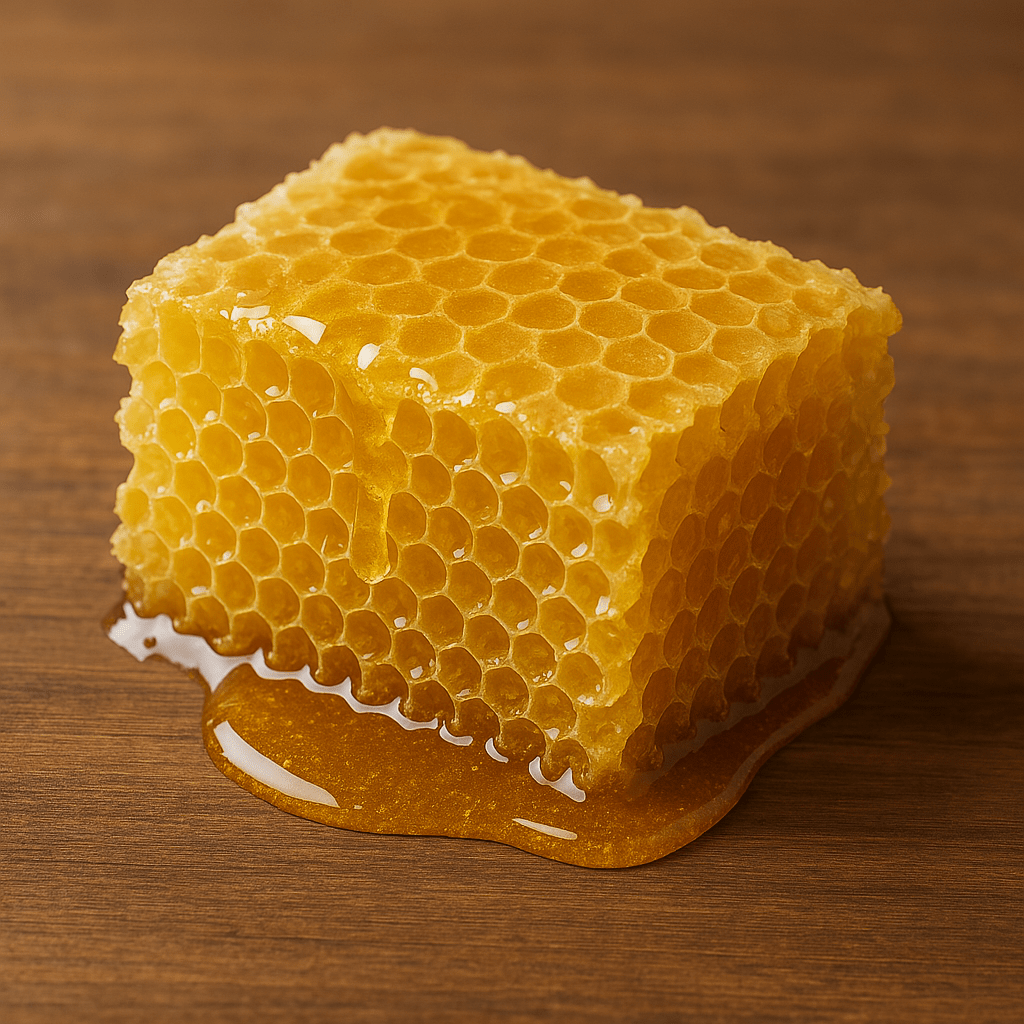
Honeycomb is rich in flavonoids and polyphenols, which help fight inflammation and oxidative stress. This helps with chronic conditions like heart disease and arthritis.
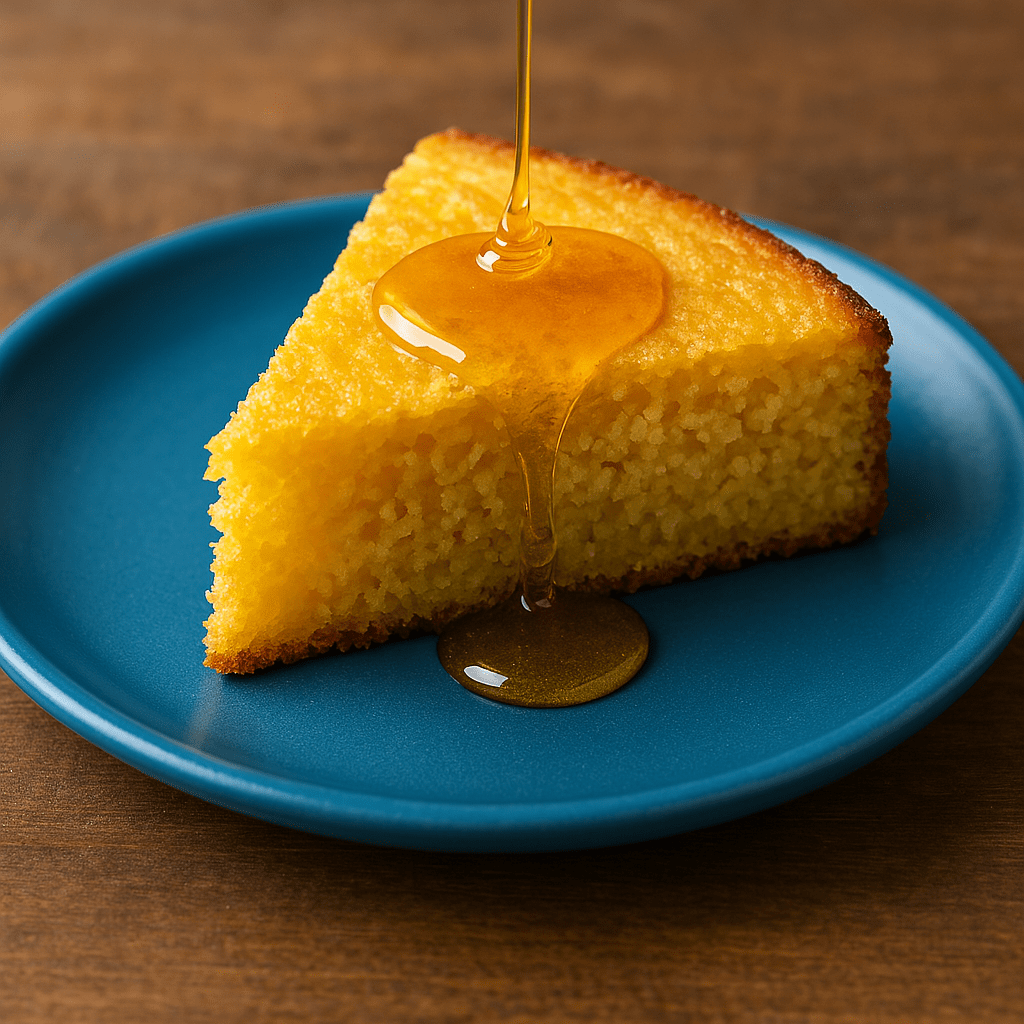
How to enjoy it? Honey and honeycomb can be eaten raw, added to toast, yogurt, hot tea, desserts, or drizzled on cornbread or biscuits. Sliced honeycomb can be added to a cheeseboard or fresh fruit platter. See my recipe page for delicious and easy biscuits for two. This recipe can be easily doubled or tripled for more flaky goodness and has easy to follow directions for you first-timers!
HONEY GLAZED CARROTS, serves 2
Ingredients:
1/2 pound baby carrots, rinsed clean
1 Tablespoon butter (omit if making this dish vegan)
1 Tablespoon honey
1/4 teaspoon salt,
1/4 teaspoon fresh thyme, or cinnamon for topping, if desired.
How to:
Put carrots in a small sauce pot or shallow pan and cover them in cold water. Bring to a rolling boil over medium heat. Add salt and gently stir. Lower heat to a slow boil and cook until carrots are tender, about 3 minutes. Pour out the liquid, leaving about 1/4 cup remaining in pan. Top carrots with cold or room-temp butter and gently stir. Add honey and cinnamon, if using. Gently stir again until honey is dissolved. Simmer about 2 more minutes, glazing the carrots in honey sauce. Pour them out in a serving dish and top with fresh thyme if you did not use cinnamon. Serve warm or room temperature. This recipe is easily doubled for more servings or leftovers later.

Honey in the Holy Bible: Sweet Symbolism & Spiritual Nourishment
Honey isn’t just a tasty treat in the Bible; it’s packed with meaning in Scripture. From divine promises to poetic metaphors, the Bible uses honey to represent abundance, wisdom, and the sweetness of God’s word. Honey becomes a symbol of what life can be when it’s rooted in God’s goodness: rich, satisfying, and full of grace.
*Exodus 3:8 is a verse representing abundance given from God, where he says “So I have come down to rescue them (The Isrealites) from the hand of the Egyptians into a good and spacious land, a land flowing with milk and honey…”
*Deuteronomy 8:8 has honey listed among the riches of the Promised land.
*Proverbs 16:24 “Gracious words are a honeycomb, sweet to the soul and healing to the bones.”
*Proverbs 24:13: “Eat honey, my son, for it is good; honey from the comb is sweet to your taste.”
*Psalm 19:10: God’s laws are “sweeter than honey from the honeycomb.”
*Psalm 119:103: “How sweet are your words to my taste, sweeter than honey to my mouth!” King David wrote this after tasting the sweetness in the words of the Lord. In a world overflowing with noise, God’s voice still rings like a melody we didn’t know we needed, restoring peace where chaos tries to reign.


Tried it? Planning to? Your voice makes this community of home cooks better. Share tips or questions here