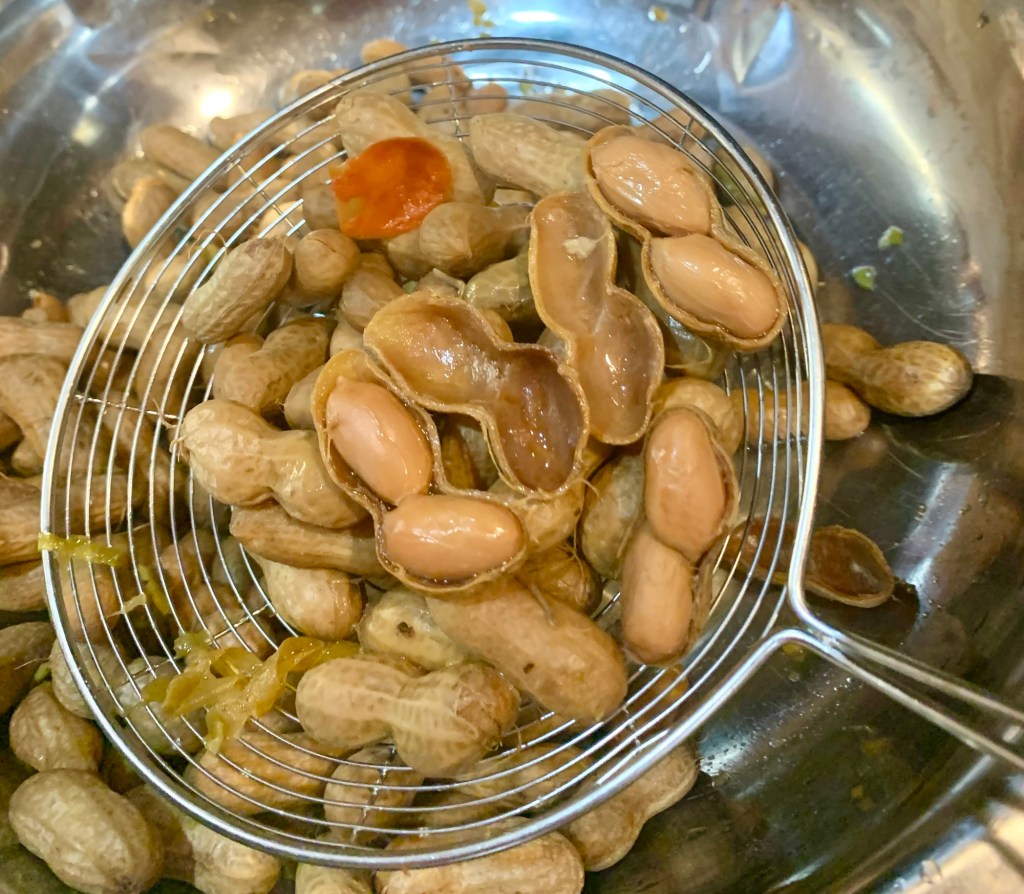

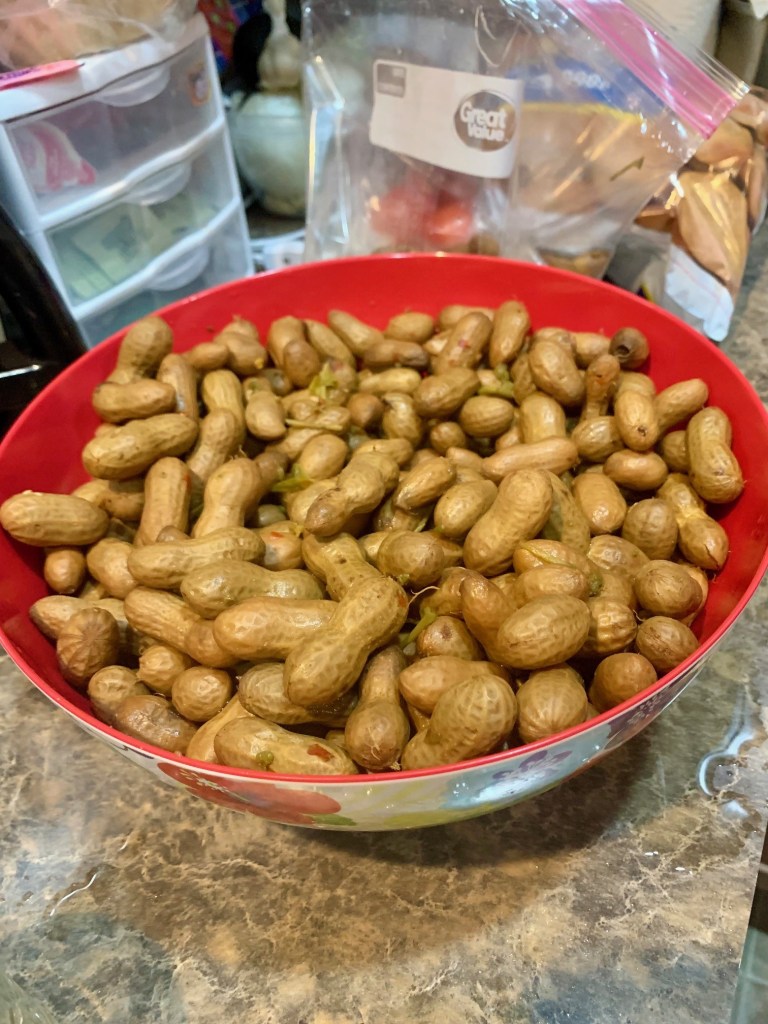
Boiled Peanuts are a Carolina classic!
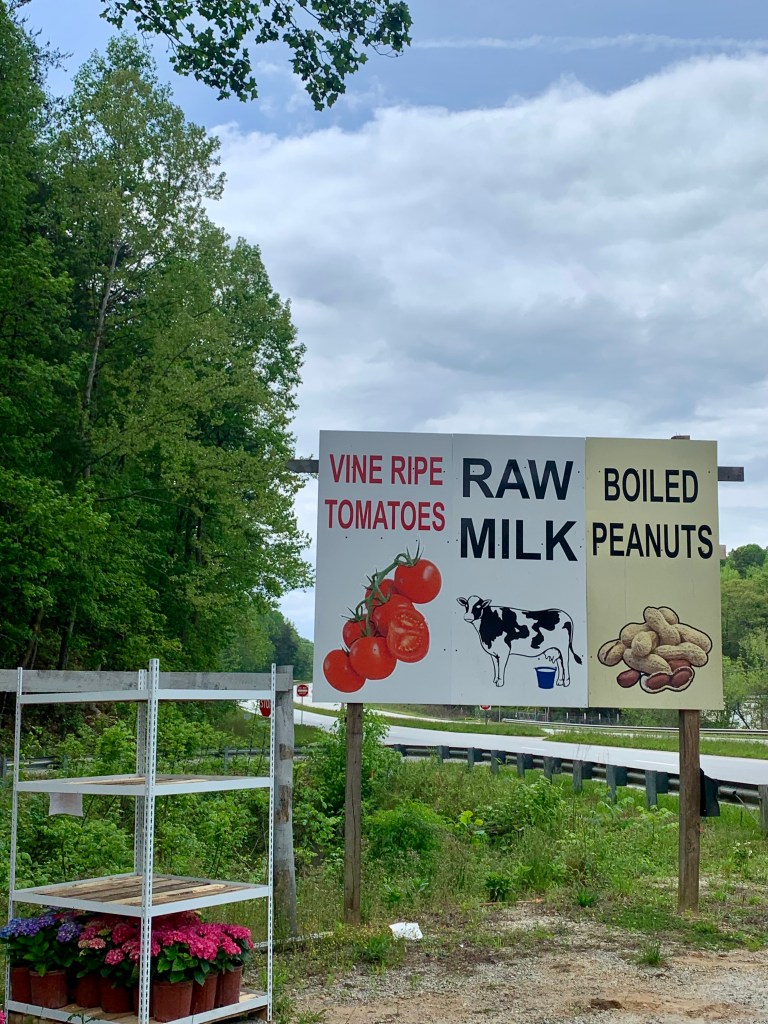
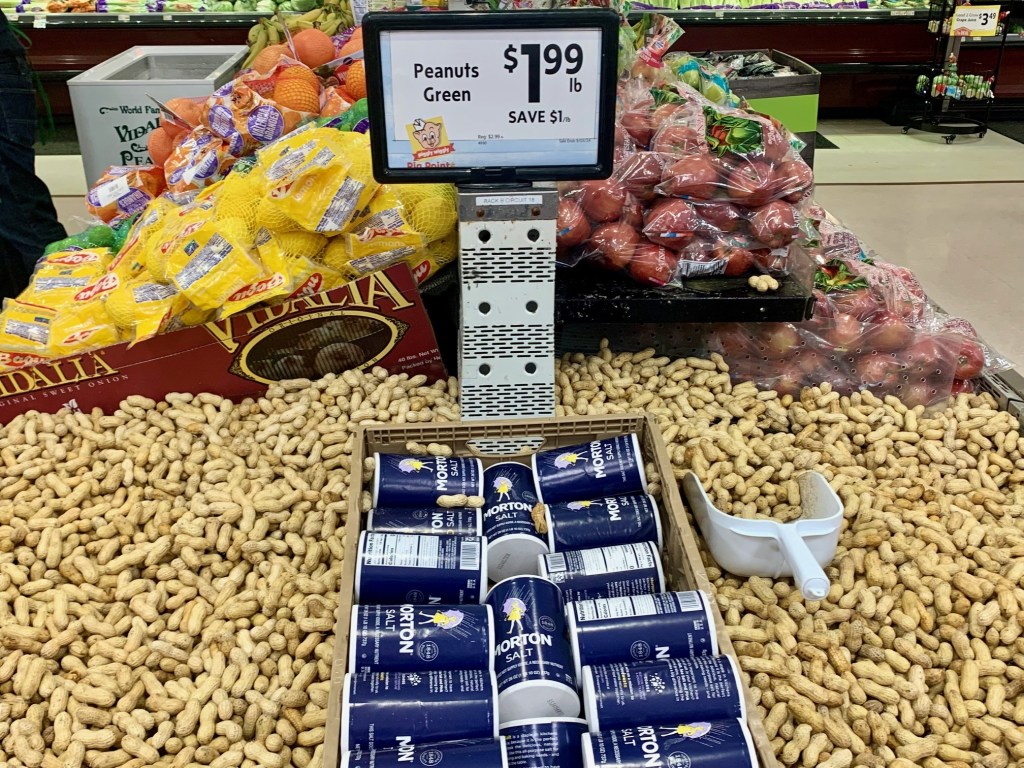
Peanuts, also known as ground nuts, or goober peas are mostly grown in tropical and subtropical climates and flourish under Carolina conditions. They are grown as both grain legumes for their edible seeds and as oil crops in Southeast U.S.A. Peanuts and peanut products are found in everything from snacks and candy to kitchen fryer oil. Indeed, some of the South’s most beloved fast food stops only use peanut oil to fry their chicken and potatoes, including Chik-Fil-A restaurants. One seasonal, salty, and oh-so-craveable snack favorite of us Carolinian’s is Boiled Peanuts. When you have put some hours into doing yard work, gardening, or farming in the Southern summer, you look to replenish your salt and minerals. What better way than with some boiled peanuts? Warm or cold, they make a great appetizer or snack with peanut power. My family looks forward to finding fresh green peanuts in the produce section, farm roadside stands, and farmers markets each year. Most growers and farmers use a biological and nutritional seed treatment to maximize growth performance on this specialty crop. You can use dried or green peanuts for boiling, but fresh green nuts work best and need less cooking time. They can be boiled in salt and a variety of seasonings for flavor. Plain boiled peanuts are seasoned with salt only and appeal to most eaters, whereas Cajun spice and ham flavors are popular among those craving flavorful snack nuts.

Nutrition
1 Cup, 8 ounces, or 227 grams of Peanut legumes contains:
- 828 kCal or calories. That’s enough energy to be considered a meal!
- 12% DV Fiber
- 13% USDA Daily Value of Calcium
- 25% DV Vitamin B6
- 29% DV Potassium
- 37% DV Iron
- 61% DV Magnesium
- Rich in phosphorus, B Vitamins, and fiber which help lower risk of heart disease and regulates blood glucose levels.
Allergy Alert! Sometimes people think they are allergic to peanuts because they ate a moldy nut once and have an allergic reaction. It's true that mold on nuts is a highly allergic irritant and moldy nuts should never be used or consumed.
Some people are highly allergic to peanuts and peanut oil in any form. If this is you, bless your pea-pickin heart. You'll just have to miss out. Hummus, bean salads, and tree nuts may be nutrient rich replacements for ground nuts.

Food Safety! You must boil, fry, or dry roast raw peanuts before eating them. Refrigerate leftovers within 2 hours of cooking and discard nuts after 4 days in a refrigerator. You can freeze boiled peanuts for up to 2 months, thaw, and heat prior to serving. Raw and/or cooked peanuts growing visible mold at any time should be discarded. Check nearby items where the moldy nuts may have touched since mold spreads quickly in fruit, vegetables, and legumes. Foods processed without preservatives are at elevated risk for mold including peanut butter, legumes, and nuts. Do not smell or inhale the mold and do not put moldy foods in your compost pit.
Remember the food temperature "danger zone" is between 40 and 140 degrees Fahrenheit according to USDA and FSIS, United States Department of Agriculture and Food Safety and Inspection Service.  Safety info available at: fsis.usda.gov
Boiled Peanut Recipe, yields about 6 cups of shelled nuts
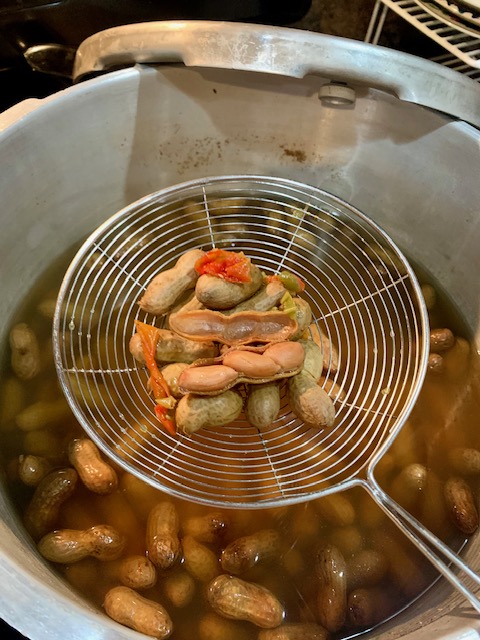
I use a pressure cooker to help the nuts cook evenly and quicker than traditional methods. I prefer not to slow cook food indoors during the sweltering summer months and heat up the house more than necessary. Pressure cookers have a safety valve that dances around and lets all your worries disappear with the steam. You can also use a slow cooker or large stockpot with a heavy bottom. Cooking in an aluminum pot is not recommended.
INGREDIENTS
2 Pound (Lb) Green Peanuts in the shell. Thoroughly wash nuts and discard moldy or broken ones. Drain.
1/4 Cup Non iodized Salt. Your favorite dry seasoning blend can be used (I like Old Bay). Adjust for salt if using a less salty seasoning.
Add about 1/2 Cup of drained pickled jalapeno peppers or spicy cherry peppers if you prefer a bit of pepper flavor and kick.
Pickled peppers from a jar break down in the salty brine and don’t add much heat. Raw jalapeno peppers without seeds or dried chili peppers add more spicy heat to the nuts.
METHOD
Rinse nuts in cold water and pick out bad bits. Add clean nuts in the shell to the pot. Cover with twice as much cold water. I prefer to use filtered or bottled water to avoid the chlorine in my city’s water. Add salt and/or seasonings. Pour drained peppers on top, if desired. Cover and cook until nuts are tender. Take nuts off heat and allow them to soak in the salty brine until they are seasoned according to your tastes. Drain, allow to cool on a sheet pan in a single layer if possible. Eat and promptly refrigerate or freeze leftovers.
Slow Cooker Method: Cook roughly 5 hours on high in a slow cooker. Check the water level about halfway through the cooking time and add water as necessary so the nuts don’t get dried out. Turn them over during this water check to get nuts on top down to the bottom for even cooking. When they are tender, turn off heat and let them sit in the pot until saltiness is just right for you.
Pressure Cooker Method: Cook roughly 3 hours or until desired tenderness. Take the pot off the range burner and allow the pressure valve to drop before trying to remove the lid. Add more water if needed. If the nuts are not soft, add the lid and cook longer. Allow the nuts to sit in the hot salty brine until they reach your desired tastes.

